
good war: social prayer
A conference about loving god: the American Academy of Religion, Southeast Region annual conference, where I presented on social prayer. Plus, what's wrong with nonviolence?
New moon. Sun slow (clock ahead of sun).
Happy spring! I traveled twice since my last post (February 18) back in the lull of winter. Both trips were for conferences. And both conferences were about loving god, so they were both work related!
As a result, we can pick up right where we left off: in the middle of a series. This is the fourth post in a series of short essays on good war. See previous posts here:
"Shifting Identities and Fractured Communities"
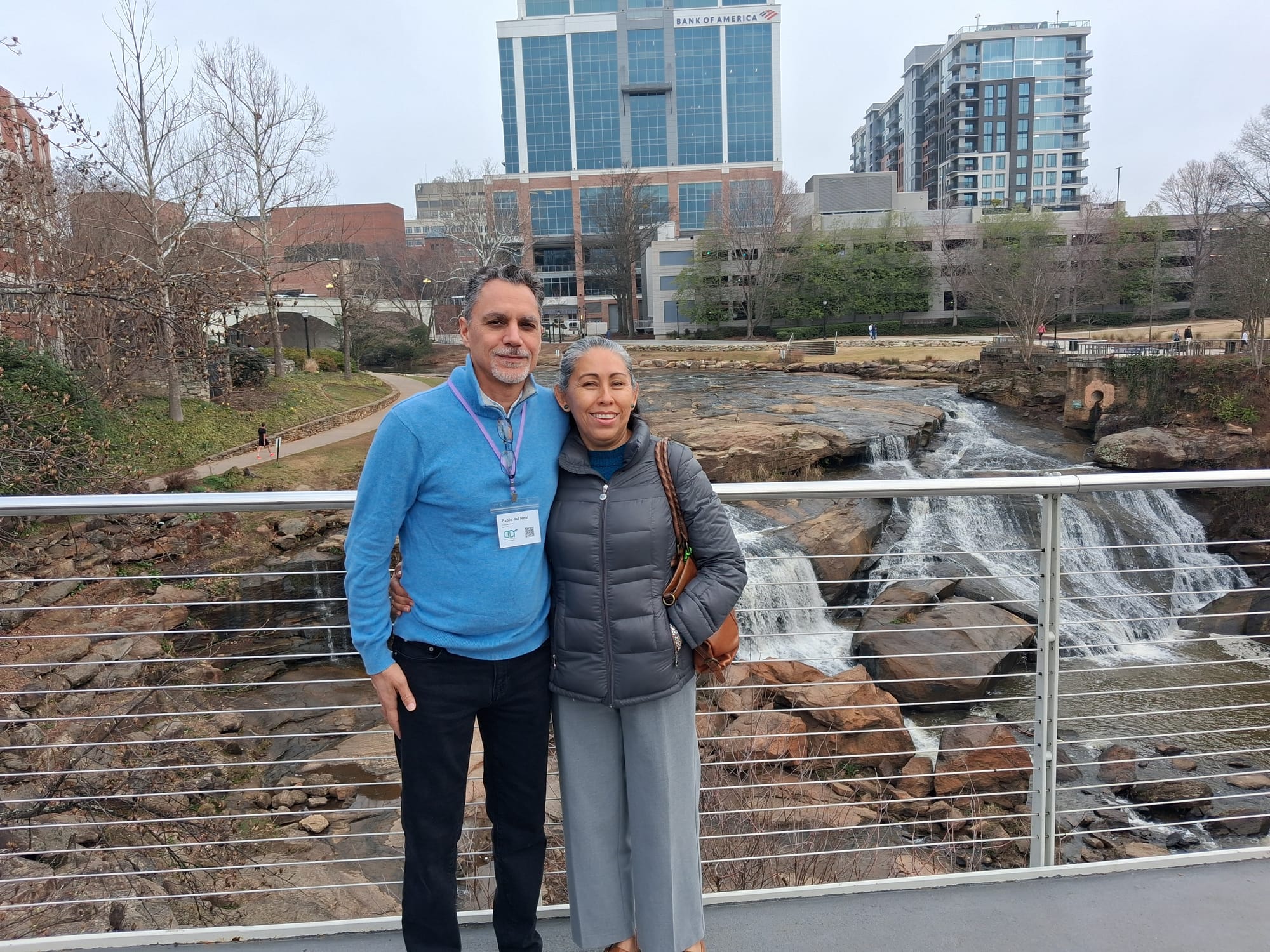
On the last weekend of February (February 27-March 1), my wife and I attended the American Academy of Religion, Southeast Region annual conference. With a theme of "Shifting Identities and Fractured Communities," the event explored religious responses to social, economic, and cultural transformations in the South
The conference was held at Furman University in Greenville, South Carolina. I was on a panel with three other speakers: Maria Mallory White, Emory Berry, and Daylan Woodall. Our moderator was Eric Mason.
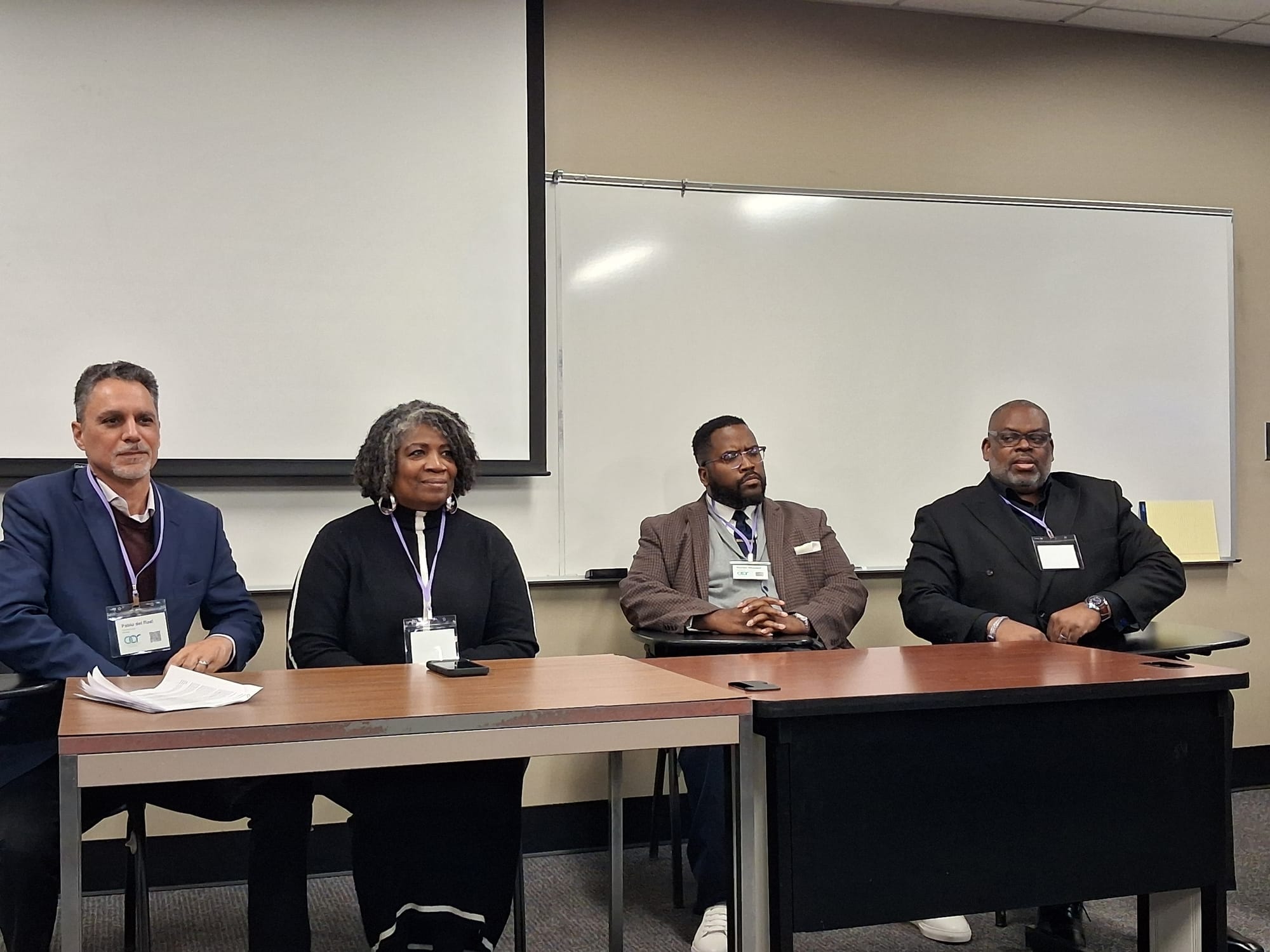
The theme for our panel was "Rhetoric, Prayer, and Political Imagination in Black Christian Life." Kudos to our moderator and my fellow panelists. They were all very prepared. Our talks were very different. Mine was problematic. More on that in a minute. First a few words about the conference and the Academy.
Loving god for a living
This was the first time my wife and I had attended an American Academy of Religion conference. I was impressed. From my perspective, it was well planned, well organized, well run, and well attended – all in a very professional and welcoming spirit. I was not surprised. Everyone involved loves god for a living, mostly in the form of religious studies work as a professor or student.
I joined the Academy last summer, sensing it was time to start working the academic angle of loving god. I have not been disappointed. The American Academy of Religion (AAR) is the largest scholarly society in the world dedicated to the study of religion. Their mission is "to foster excellence in the academic study of religion and enhance the public understanding of religion."
The Southeast Region comprises some 300 scholars across 9 states: Alabama, Florida, Georgia, Kentucky, Mississippi, North Carolina, South Carolina, Tennessee, and Virginia. Over 200 people attended the conference, including some limited spots for undergraduate students.
As an independent scholar, I am welcome to join the society and participate as a professional member. According to AAR, independent scholars conduct research but are "not affiliated with an academic institution or other institution supporting that research." That's me. But I wasn't alone at the conference. There were a few of us there. And since their conferences are open to the public, my wife was welcome there as well.
What's wrong with nonviolence?
So why was my paper problematic? There was nothing wrong it. But anytime you mention nonviolence to a group of people, a sort of inevitable debate almost always springs up. My paper was not even about nonviolence, but I did mention it as an element of social prayer. And that's where some people's attention got stuck.
Why is nonviolence problematic? Because the world is addicted to violence, especially military force. We can see this playing out right now in the public comments of the Pope and the U.S. government about war.
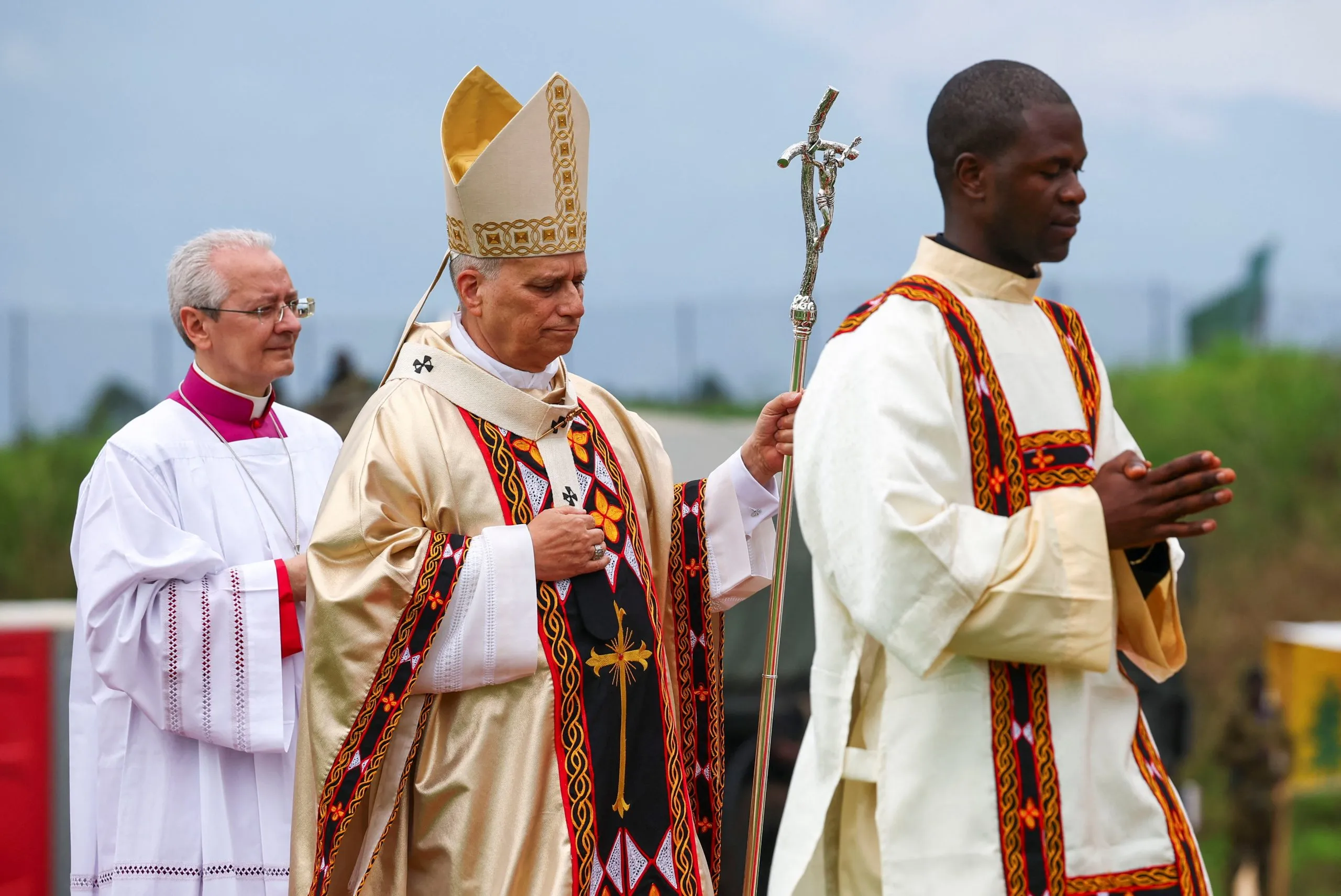
As leaders of the current administration were casting the war in Iran as a just war – and even a Christian war – encouraging people to pray for victory in the name of Jesus, Pope Leo XIV said this on Palm Sunday:
“Brothers and sisters, this is our God: Jesus, King of Peace, who rejects war, whom no one can use to justify war. He does not listen to the prayers of those who wage war, but rejects them, saying: ‘Even though you make many prayers, I will not listen: your hands are full of blood.’ ”
When supporters of nonviolence call out the evil of violence, the purveyors of violence get upset. It disturbs their conscience, just as violence disturbs the conscience of lovers of god. Yet only one of these viewpoints is right:
- either the war is just and Christian,
- or it is unjust and not Christian.
My talk on social prayer was not about this dispute between secular and spiritual authorities. But it's important to note the example alive at this moment: social prayer includes public leaders using their platform to condemn violence.
Next time
I'll say more about social prayer next time, god willing. Plus, future posts about another conference related to loving god at Loka, a program of the Center for Healthy Minds, at the University of Wisconsin-Madison.
Comments ()