
good war: football-soccer
How Catholic social teaching inspired the world cup. Uniting the world through sport. Linking behaviors developed for war to nonviolent goals.
Waxing crescent moon. Sun slow (clock ahead of sun).
Did you know that Catholic social teaching inspired the world cup? It's true.
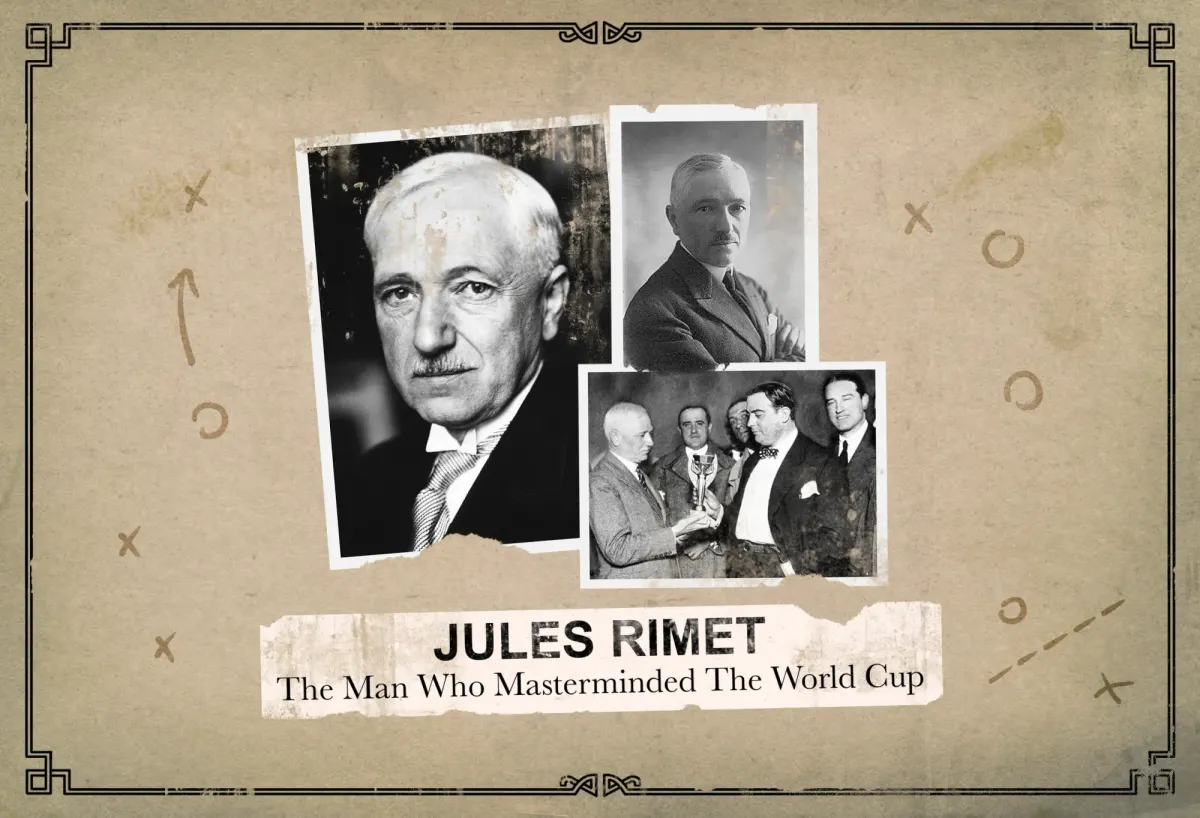
In 1891, Jules Rimet, a co-founder of the world cup, was still a teenager living in France when Pope Leo XIII published The Spirit of Revolutionary Change (aka Rerum Novarum). Over 60 years, this essay — the cornerstone of Catholic social teaching — moved Rimet to unite the world through sport.
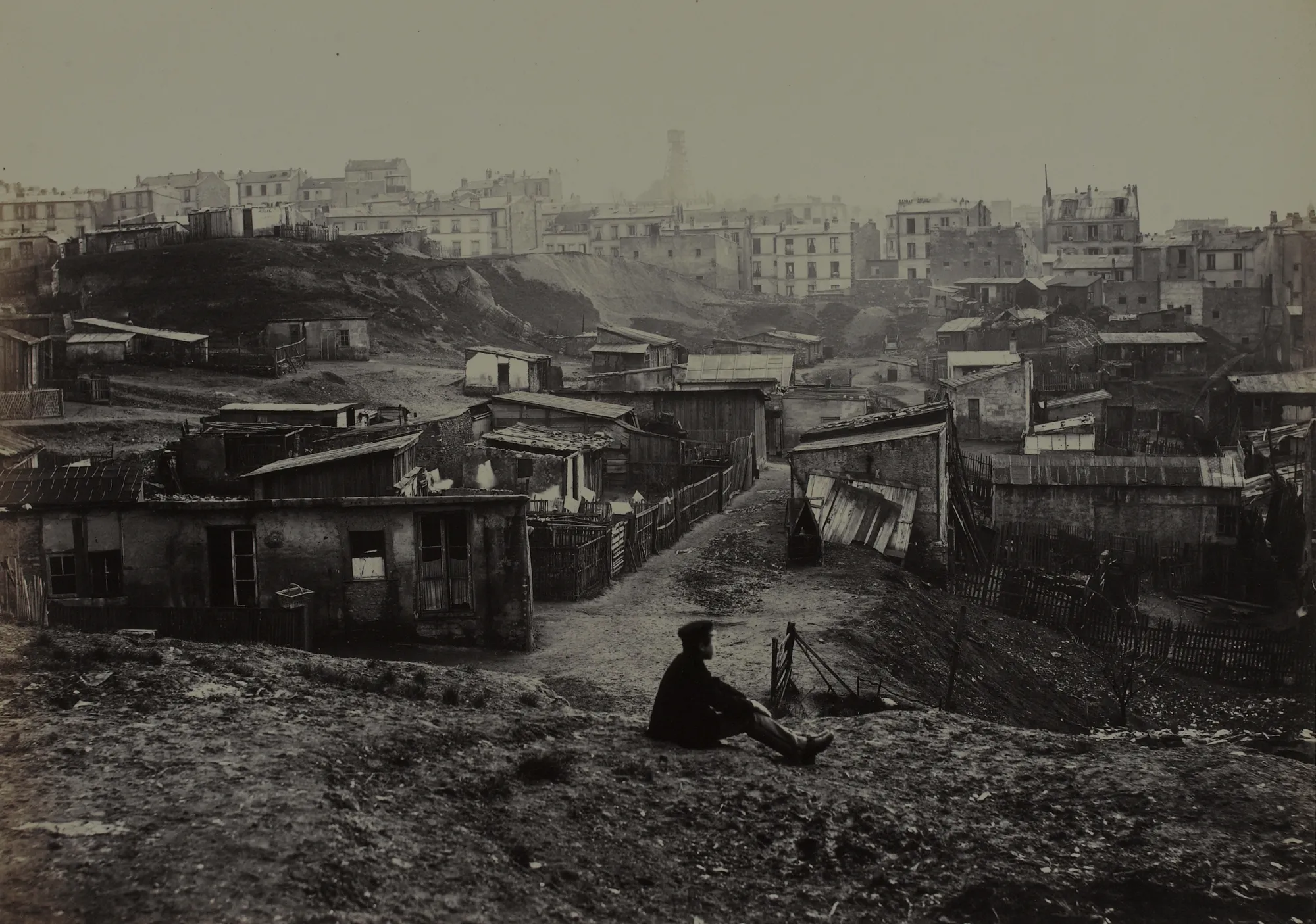
As an adult, the first step Rimet took on the long path to the world cup was to form an innovative sports club in 1897. Called Red Star, the club accepted players of all income levels, unusual for the time. And the club included soccer, a new sport frowned upon in France as being only for Englishmen and the lower class.
Class struggle — the inherent conflict between rich and poor — had prompted the pope's teaching.
"... some opportune remedy must be found quickly for the misery and wretchedness pressing so unjustly on the majority of the working class: for the ancient workingmen's guilds were abolished in the last century, and no other protective organization took their place." (Rerum Novarum, 3)
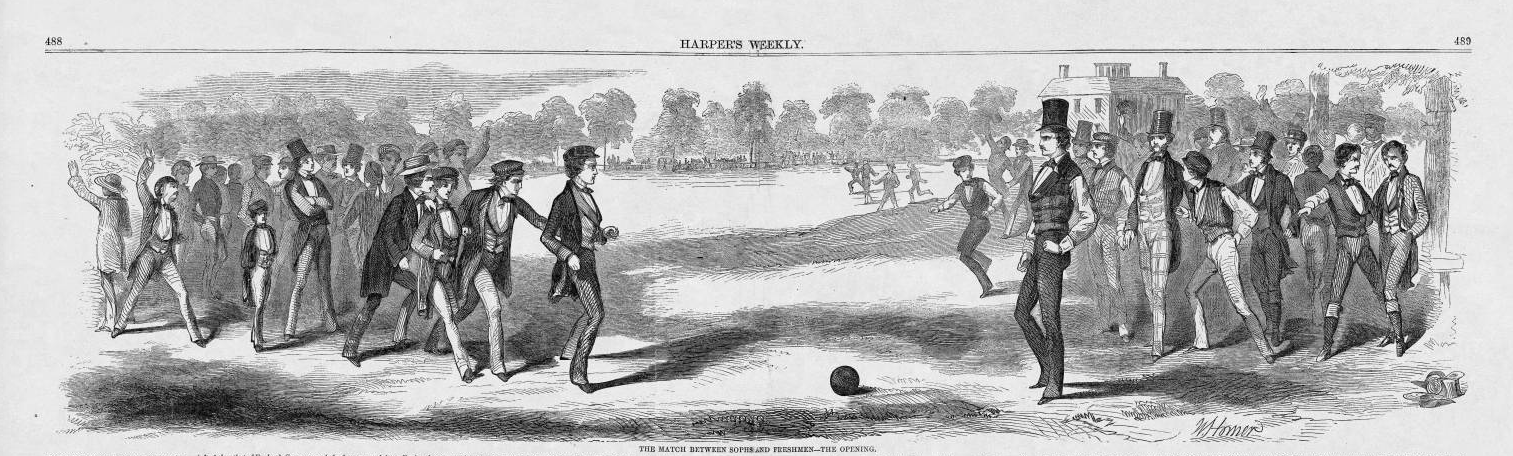
Before the 1890s, organized sports in Europe were for people with wealth. Common folk could not afford to play. It cost time to compete at gymnastics, cycling, wrestling, tennis, etc. Free time was a resource most poor people did not have.
Rimet was a lawyer, not an athlete. Yet he saw in sport a way to overcome class segregation.
Rich enough to play, or get paid to play?
The second thing he did was to professionalize football (aka soccer). The idea of paying players was revolutionary; it was also in conflict with upper class ideals.
The dominant figure in international sport at the time was Baron Pierre de Coubertin, founder of the modern Olympics, and de Coubertin’s entire project was built on what he called the “amateur ideal,” the belief that sport belonged to those who did not need it to pay the rent. The gentleman athlete. The man who had the time to train and play for the love of the game rather than a wage. He strongly opposed anything related to the commercialization of sports. Under these terms, being an athlete was the privilege of the few.
It was unclear whose vision would win. When the world cup was conceived, professional sport was not yet legal in France at the time. Rimet was loving god by loving the poor. de Coubertin loved sport and proposed a new religion: Olympism.
Pro-labor Pope, pro-war human nature
In his teaching, Pope Leo XIII had suggested some solutions to wealth inequality. "The most important of all are workingmen’s unions, for these virtually include all the rest. . . . [They] are designed to protect the interests of working people and to afford them the means of providing for their own welfare and that of their families." (49) Rimet saw football teams, like unions, as a way to protect poor people from rich people.

But class conflict was not the only challenge to his dream of uniting the world through sport. World War I (1914-1918) was devastating.
Having fought in the war and having seen the devastation first hand, "Rimet believed that sport could channel the virulent nationalism of the time in a more positive way, aiming for a rapprochement of nations through football."
After the war, FIFA (founded in 1904), seemed like the perfect vehicle to accomplish twin goals: overcome class divisions and ease national divides.
In 1928, locked in a contest with the International Olympic Committee (IOC) for the future of international soccer competition, "Rimet insisted that FIFA were now capable of being solely responsible for the tournament and would have wanted to include professionals from the lower social classes. If the IOC wouldn’t countenance this, Rimet threatened to form his own global tournament."
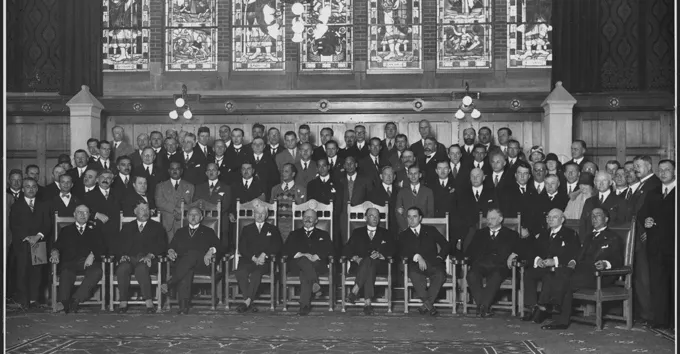
In the end, that's what happened. "At the 1928 FIFA congress in Amsterdam, the 30 [voting] members voted in favour of establishing a quadrennial World Cup." In 1929, however, the world fell into the Great Depression, throwing millions of people into poverty and extinguishing hope for any kind of prosperity through football.
Despite one world calamity after another, Rimet remained committed to implementing the simple principles outlined in The Spirit of Revolutionary Change. The first FIFA World Cup was held in 1930, in Uruguay, home of the reigning Olympic champions and the one nation who agreed to cover the costs of the tournament in the midst of a global economic collapse.
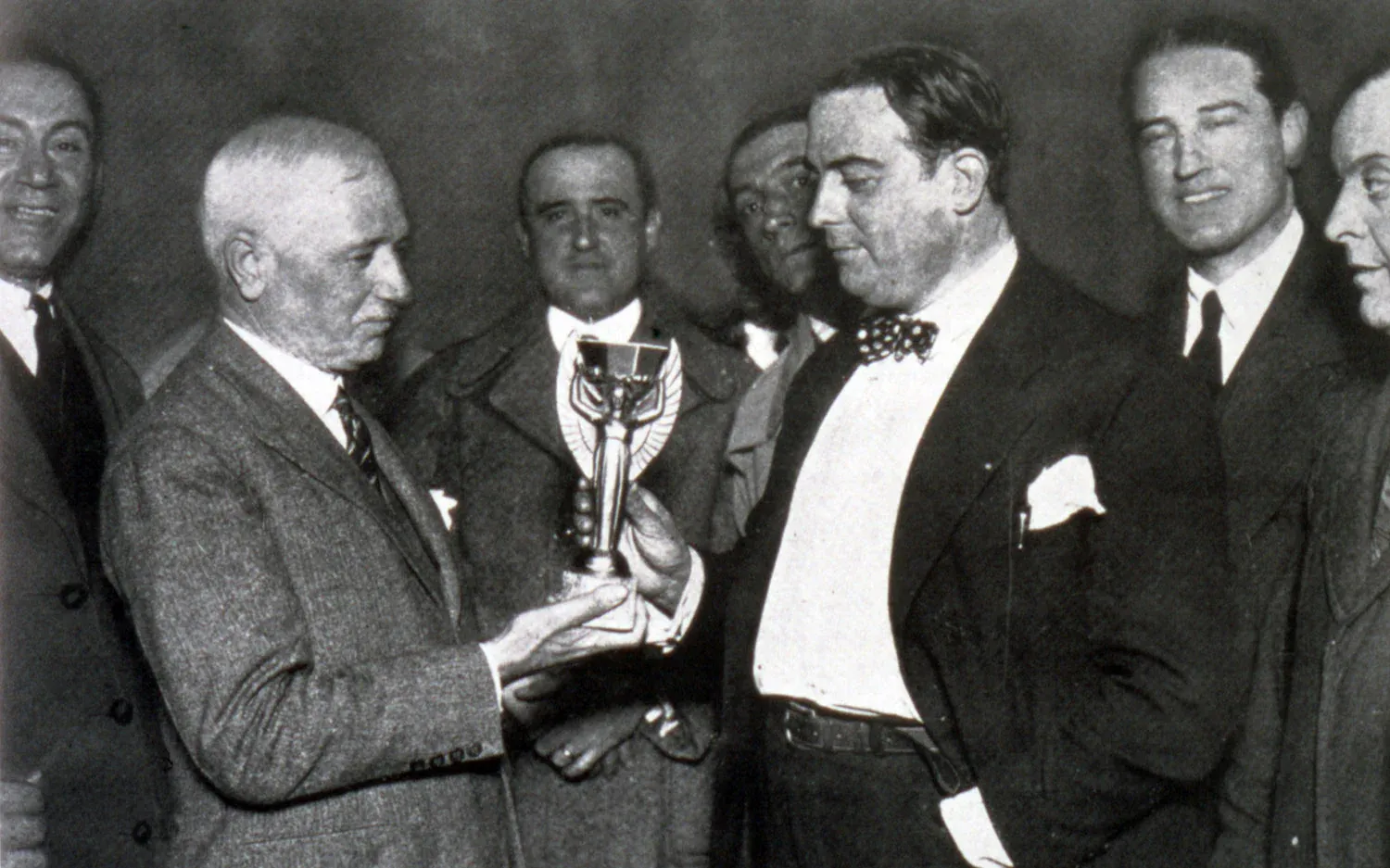
So on this world-cup weekend, can you imagine life today without the tournament? The only news would be about war. Thanks to two devout lovers of god — a pope and a lawyer — at least some headlines today are about men competing in a game.
Good war vs bad war: same behaviors, different goals
Before the summer break, we were in the midst of a series about "good war." The series is rooted in this insight: "... many of the same behaviors and techniques that humans had developed over thousands of years to wage war could be repurposed for nonviolence." (Waging a Good War, 42)
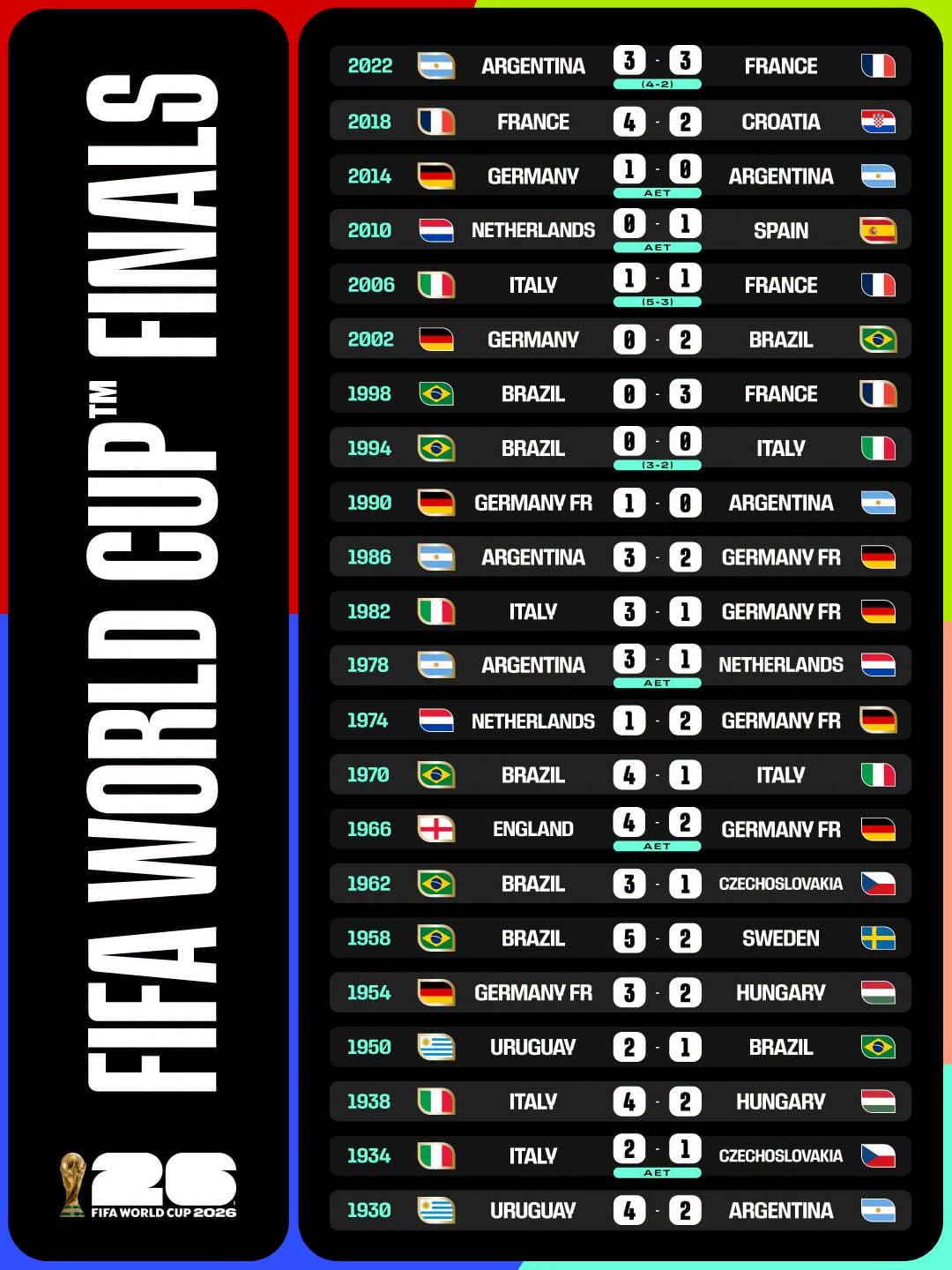
War can bring out the best and worst in humans. Applying the skills of war — commitment, training, planning, sacrifice, cooperation — to nonviolent struggles for justice is a way to channel volatile human energies into positive, peaceful endeavors. The World Cup is a great example of this theory in action. Sure, its 2026 ticket prices are part of the current class divide. It's not perfect. But isn't it infinitely better than violent war?
Comments ()